





Eddie Murphy’s Raw: Why It Worked, Why It Shocked, and Why It Changed Comedy Forever
#RunTheCulture
Intro: A Moment Captured at Full Volume
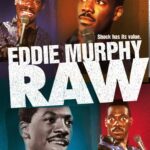
When Eddie Murphy: Raw hit theaters in 1987, it didn’t feel like just another stand-up special—it felt like a cultural event. Murphy wasn’t simply telling jokes; he was asserting dominance over comedy itself. At 26 years old, he was already a movie star, a former Saturday Night Live standout, and arguably the most recognizable comedian in America. Raw captured him at that exact moment when confidence turns into swagger and talent meets total creative freedom.
Filmed live in New York City and released theatrically rather than on television, Raw raised the stakes for what stand-up comedy could be. It was loud, confrontational, unapologetic, and magnetic. Love it or hate it, it became unavoidable.
What Made Raw So Funny
1. Command of the Room
Murphy’s greatest weapon in Raw is control. From the second he steps on stage, he owns the audience. His timing is sharp, his pacing deliberate, and his comfort level absolute. Even when the material pauses, the crowd stays locked in because Murphy understands something essential: stand-up is as much about presence as punchlines.
He stretches jokes out, builds tension, and then detonates it with a sudden shift in tone or a physical flourish. The laughs feel earned because the audience trusts him to take them somewhere worth going.
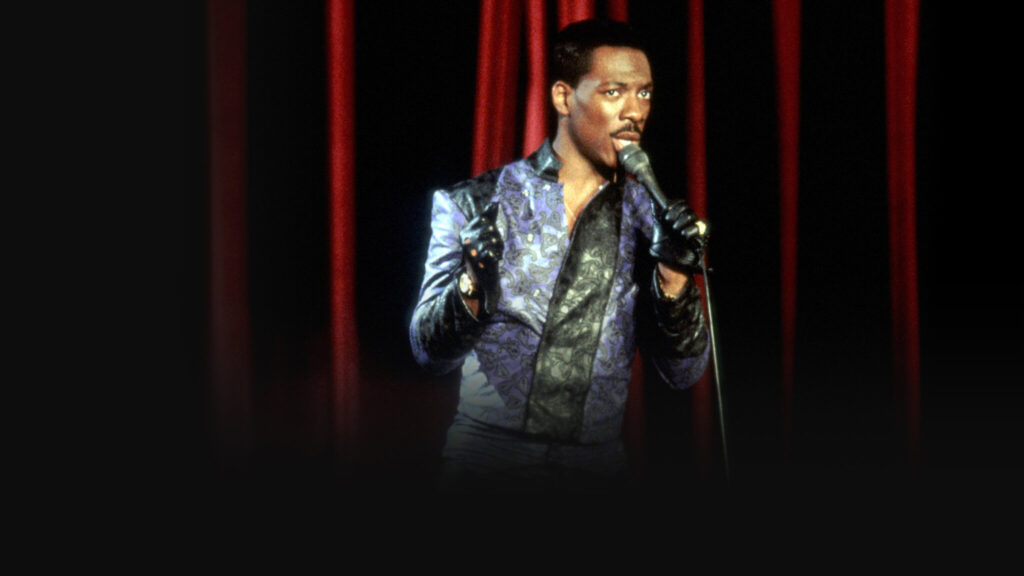
EXAMPLE: The Leather Suit Entrance
(Not a joke—yet still one of the biggest laughs)
Why It Works
Before Murphy says a word, he’s already setting expectations. The suit is bold, theatrical, and borderline absurd. It visually announces confidence, excess, and star power.
Comedy mechanics at play:
- Status signaling: Murphy enters as someone who knows he’s the main event.
- Expectation framing: The audience is primed for something big and unfiltered.
- Visual comedy: The suit itself becomes an unspoken punchline—so outrageous it earns laughter on sight.
This is a masterclass in using presentation as comedy. The audience is laughing with him before the first joke lands.
2. Performance, Not Just Jokes
Raw works because Murphy doesn’t simply tell stories—he performs them. He becomes his characters through posture, facial expressions, movement, and voice. Conversations turn into miniature plays. Observations transform into full-body experiences.
This theatrical approach separates Murphy from many comedians of his era. Instead of standing still and talking at the audience, he moves, mimics, and exaggerates. The result is comedy that feels alive and kinetic, even on a screen.
3. Fearlessness as Fuel
Part of what made Raw electric in the late 1980s was its refusal to play it safe. Murphy pushes boundaries constantly—socially, culturally, and linguistically. The confidence with which he delivers risky material makes the audience feel like they’re witnessing something dangerous and exclusive.
That sense of danger creates laughter not just from the jokes themselves, but from the thrill of hearing someone say things no one else would dare say on a massive stage in 1987.
EXAMPLE: Relationship Expectations and Gender Roles
Some of Raw’s most discussed material revolves around relationships, marriage, and expectations between men and women.
Why It Works Comedically (Even When Controversial)
- Extreme confidence: Murphy never hedges or apologizes mid-bit.
- Rhythmic repetition: He reinforces ideas through cadence, not logic.
- Audience momentum: The laughter builds cumulatively, pulling people along even when the premise is exaggerated.
From a technical standpoint, these jokes succeed because Murphy commits fully. The audience responds to certainty—even if they don’t fully agree with the premise.
This is a critical lesson in stand-up: confidence often sells the joke as much as content.
4. Relatability Wrapped in Exaggeration
Beneath the bravado and shock value, much of Raw is rooted in everyday experiences—relationships, family dynamics, fame, and insecurity. Murphy pushes these moments to extreme limits, but the emotional core remains recognizable.
The audience laughs because they see fragments of their own lives reflected back at them, just filtered through Murphy’s exaggerated, high-energy lens.
Why Raw Mattered When It Was Released
1. Stand-Up as a Blockbuster
Before Raw, stand-up specials were largely viewed as television content. Murphy helped change that perception. By bringing stand-up into movie theaters and drawing massive crowds, Raw proved that comedy could be just as commercially impactful as action films or dramas.
This shift helped pave the way for future stand-up specials to be treated as major releases rather than niche cable-TV programming.
2. A Defining Voice of the Era
Raw reflects the tone of the late 1980s—bold, brash, and unapologetically excessive. Murphy’s confidence mirrored the cultural mood of the time, when success was celebrated loudly and restraint wasn’t particularly fashionable (“Greed is good” anyone?).
As a result, the special didn’t just entertain audiences—it captured a moment in American pop culture with unusual clarity.
EXAMPLE: Celebrity and Fame Commentary
Murphy talks about being famous, wealthy, and recognizable—and how it changes interactions with people.
Why It Works
- Self-awareness: He acknowledges his own excess and ego.
- Power inversion: Instead of pretending fame is normal, he exaggerates how absurd it is.
- Audience fantasy: Viewers enjoy seeing wealth and fame mocked rather than worshipped.
Murphy avoids alienating the audience by laughing at himself while still owning his success. That balance keeps the material playful instead of arrogant.
3. Representation at Scale
Murphy’s success mattered beyond comedy. As a Black performer dominating box offices, television, and comedy clubs simultaneously, he shattered industry assumptions about who could lead and who could sell. Raw wasn’t framed as niche entertainment—it was mainstream, and it was massive.
That visibility had ripple effects across comedy, film, and music, opening doors and reshaping expectations.
The Long-Term Impact on Comedy
1. Inspiring a Generation of Performers
Many comedians who rose to fame in the 1990s and 2000s credit Raw as a turning point in how they understood stand-up. Murphy showed that comedy could be loud, bold, theatrical, personal, and larger than life all at once.
Arena-sized stand-up tours, high-energy storytelling, and character-driven comedy owe a clear debt to the blueprint Murphy helped establish.
2. The Conversation Around Aging Material
Viewed today, parts of Raw spark debate. Some jokes reflect attitudes that feel dated or uncomfortable to modern audiences. That discomfort has become part of the special’s legacy, prompting conversations about how comedy evolves and how cultural norms shift over time.
Even Murphy himself has acknowledged that not everything in Raw represents who he is now. That self-reflection underscores an important truth: comedy is a snapshot of a moment, not a permanent moral statement.
Pop Culture Footprint
Beyond comedy circles, Raw left a lasting imprint on fashion, performance style, and celebrity culture. Murphy’s iconic red leather suit became instantly recognizable. His cadence and delivery influenced impressionists, actors, and musicians alike.
Decades later, references to *Raw* still surface in films, television, and internet culture—proof that its impact extended far beyond the stage it was filmed on.
Conclusion: Why Raw Still Matters
Eddie Murphy: Raw is not just remembered because it was funny—it’s remembered because it was fearless. It captured a singular talent operating at maximum confidence, reshaped how stand-up comedy was presented and consumed, and left an undeniable mark on pop culture.
While parts of it reflect a different era, its influence remains visible in the size, style, and ambition of modern comedy. Raw stands as a reminder of what happens when talent, timing, and cultural momentum collide—and why Eddie Murphy remains one of the most important figures in comedy history.
Written by Christopher R. Ford
@TalentedMrFord

Related Posts
Ryan Coogler’s Sinners is often discussed as a genre-blending horror film, a Southern Gothic parable, or a musical myth about the blues.

#RunTheCulture Few holiday albums feel as timeless—or as joyful—as A Motown Christmas. Released in 1973 by Motown Records, the compilation brought together the label’s biggest stars to put a soulful…

#RunTheCulture For nearly three decades, Timbaland has been synonymous with innovation. From reshaping hip-hop and R&B in the late ’90s and early 2000s to crafting futuristic pop hits with artists…

There are certain movies that don’t just entertain you—they represent you. “Coming to America”, directed by John Landis and powered by Eddie Murphy at his comedic peak, CtA is one…